

Marijuana and the Opioid Crisis
- Matthew Koenig
- May 2, 2018
- 2 min read
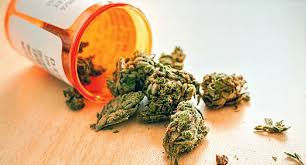
OPIOID ADDICTION IS ONE of the leading health care crises of our time. It costs the U.S. economy more than $500 billion a year. It kills 115 people a day, more than gun violence or traffic accidents. It is at the center of almost every public policy and public health debate in thousands of cities across the country. The president and policymakers on both sides of the aisle have elevated it as a national priority.
A recent report from the Centers for Disease Control found that emergency room visits due to opioid overdoses have climbed by about 30 percent in less than a year. As startling as the statistics are, it is just as heartbreaking to know that a safe and effective alternative is plentiful, yet inaccessible, because it is illegal at the federal level.
We are talking about cannabis. Whether you are a physician, policymaker, law enforcement officer, or a concerned parent, it is time to look beyond the decades of stigma. It is time to acknowledge the evidence, and advocate for what cannabis really can be: the exit drug from the opioid epidemic.
There is plenty of debate about how to combat the opioid crisis in our country, but there is certainly consensus on some fundamental public health tenets. We must treat and prevent addiction; reduce and eliminate overdoses; and develop sustainable strategies to provide relief to the 100 million Americans living with chronic pain.
Cannabis has been used as a pain reliever for thousands of years. The plant was included in the ancient Chinese pharmacopoeia for pain and many other purposes. The ancient Egyptians, Greeks and Romans used it for pain as well. Cannabis was even a part of mainstream American medicine throughout the 1800s.
Cannabinoids, the unique molecules found within the trichomes of the cannabis plant, are well known for their pain relieving properties. Cannabinoid receptors are widely expressed throughout the brain's pain processing regions. Studies in animals show that when cannabinoids are administered directly to these brain areas, they produce profound pain relief.
Opioid receptors are also expressed in these exact same brain regions. Indeed, cannabis and opioids spark nearly identical reactions within our brains when it comes to pain relief. But the molecules in cannabis have anti-inflammatory properties (which opioids do not), and inflammation is often a huge part of pain. Although opioids may do a better job in alleviating the bodily sensation of pain, cannabis can improve the ability to cope with pain, which improves one's function in daily life.
From US News and World Report
Safe Haven Recovery is a boutique Florida Treatment Center located in Miami, FL. We specialize in Suboxone Maintenance & Detox, along with, Couples Treatment. Call us today at 866-447-4650.
About the Author
Matthew Koenig is a freelance writer and principal of Last Call Marketing which devotes their efforts to Digital Marketing, SEO and Social Engagement. Concentrated in addiction recovery, Mr. Koenig is based out of South Florida. His sober date is June 10, 2013.


Comments