

Adderall by the Numbers
- Matthew Koenig
- Oct 1, 2018
- 2 min read
What is Adderall?
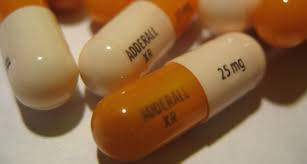
Adderall is a prescription drug for the treatment of narcolepsy and ADHD (attention deficit hyperactivity disorder). Adderall is a brand name for the stimulant containing amphetamine and dextroamphetamine salts. Because Adderall is a medicine, it appears in the form of tablets with different shapes, sizes and colors according to its strength.
Adderall tablets vary from 5mg to 30mg
Adderall is made synthetically and can be available in pharmacies and hospitals. Adderall can only be legally purchased with a properly-filled prescription made by a doctor. Despite its use as medicine, Adderall remains a highly-controlled substance and its legal use is restricted.

Adderall Effects
Adderall is composed of amphetamines which are potent stimulants and has both therapeutic uses and potential for abuse. Doctors prescribe Adderall for the management of symptoms of attention-deficit hyperactivity disorder and for certain types of narcolepsy. For reasons not yet fully understood, amphetamines improve attention and focus, and reduce hyperactivity. Adderall also reduces excessive daytime sleepiness in people with narcolepsy.
Amphetamines stimulate the central nervous system, causing increased heart rate and increased blood pressure. Therefore, a person taking Adderall feels alert, invigorated and energized while under its effects. Adderall can also increase mental performance by improving focus and concentration and induces a feeling of euphoria. People use Adderall illegally to achieve this euphoria and for improved mental capacity for tasks like studying and work. Athletes also use Adderall to illegally improve sports performance because it improves alertness, masks fatigue, and improves reaction time and concentration. It’s very popular on college campuses.
Adderall can cause side effects, many of which are detrimental to health. Adderall can cause sudden death, development of heart problems, or exacerbation of hidden pre-existing cardiovascular problems. This is the main reason why people must never use Adderall recreationally. Individuals who use Adderall for medicinal purposes should stick to the right dose and have regular checkups to prevent these serious side effects from occurring.
Adderall Overdose
A person can overdose on Adderall and experience side effects of acute intoxication. However, a person’s sensitivity to amphetamines is unique. A dose that has no effects on someone may cause intense effects on others. Furthermore, some people may overdose on very small doses of Adderall. Because amphetamines act on the central nervous system and the heart, an Adderall overdose can lead to coma and untimely death.
You can overdose on Adderall by taking it without doctor’s prescription and advice. Because Adderall is a stimulant, overdose can cause to high blood pressure, insomnia and an erratically high heartbeat. Here are a few of the signs and symptoms of Adderall overdose:
diarrhea and abdominal cramps
fast and bounding heartbeats and rapid breathing
fever
hallucinations
nausea and vomiting
panic and paranoid behavior with potential for violence
rhabdomyolysis (breakdown of muscle tissue)
tremors and heightened reflex reaction
Safe Haven Recovery is a boutique Florida Drug & Alcohol Treatment Center located in Miami, FL. We specialize in Suboxone Maintenance & Detox, along with, Couples Addiction Treatment. Call us today at 866-447-4650.
About the Author
Matthew Koenig is the principal of Last Call Marketing, which devotes their efforts to Digital Marketing, SEO, primarily in healthcare and tourism concerns, Mr. Koenig is based out of South Florida. His sober date is June 10, 2013.


Comments